

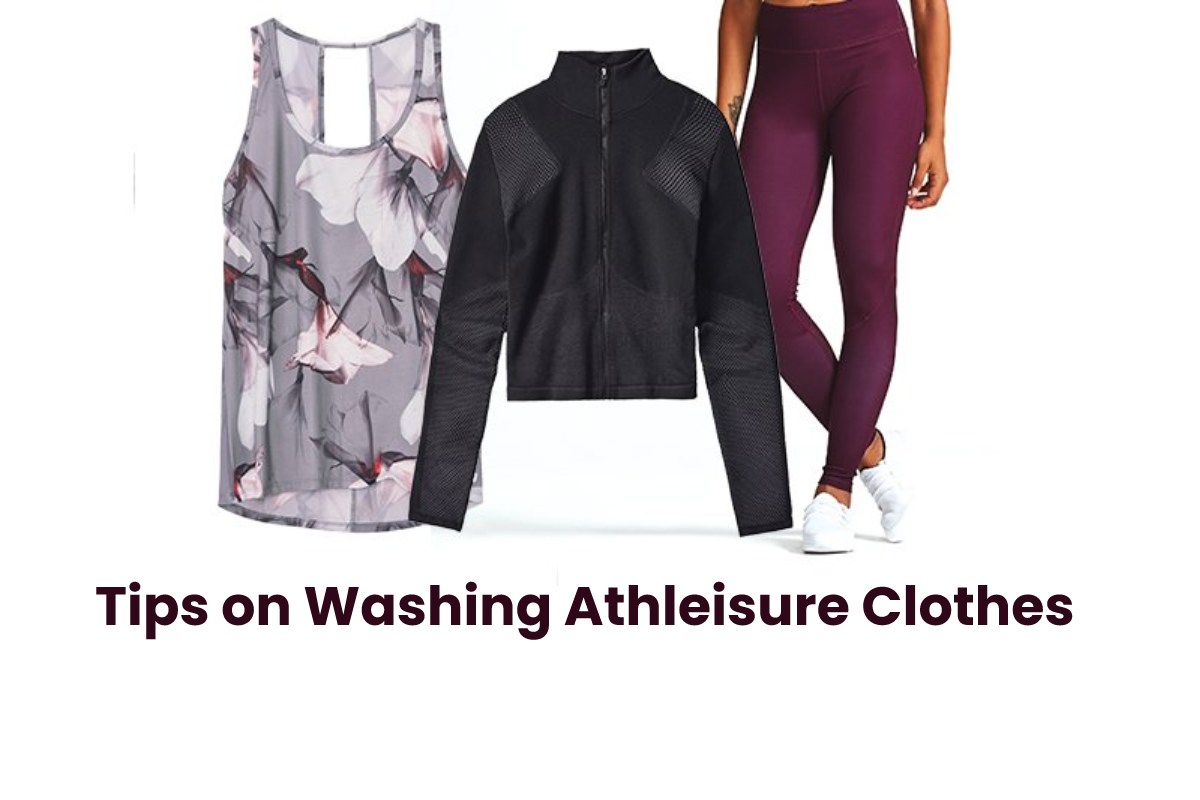
Table of Contents
Introduction
Athleisure is more than just a fashion trend; it is a lifestyle movement that blends athletic performance with casual, everyday style. The term combines “athletic” and “leisure,” representing clothing designed for workouts that is also stylish enough for the office, coffee shops, and social gatherings. This guide covers everything you need to know about maintaining these investment pieces, the different types available, where to buy them, and the industry’s impressive market growth.
How to Wash Athleisure Clothes?
Washing athleisure wear requires special care to maintain the technical fabrics (like moisture-wicking and compression) and to prevent the buildup of odor-causing bacteria. Follow these steps:
- Read the Label: Always check the manufacturer’s instructions first.
- Turn Inside Out: This protects the outer surface and allows the detergent to directly clean the sweat-soaked interior.
- Use Cold Water: Hot water breaks down elastane and spandex, ruining the stretch. Cold water preserves elasticity and colors.
- Avoid Fabric Softener: Softeners coat the technical fibers, clogging the moisture-wicking pores and trapping odors. Use a sports-specific detergent instead.
- Air Dry: High heat from dryers destroys elastic fibers. Hang or lay flat to dry to preserve the fit and longevity of the garments.
Which Type of Clothes Comes in Athleisure Clothes?
Athleisure spans a wide range of garments designed for versatility. Below is a breakdown of the common types.
| Category | Specific Items | Primary Function |
|---|---|---|
| Bottoms | Leggings, Joggers, Biker Shorts, Track Pants | Mobility and comfort; often featuring high waistbands and stretch fabrics. |
| Tops | Sports Bras, Tank Tops, Crop Tops, Hoodies, Quarter-Zips | Breathability and layering; combining sweat-wicking tech with relaxed fits. |
| Outerwear | Windbreakers, Bomber Jackets, Zip-Up Jackets | Weather resistance and style; lightweight materials for easy movement. |
| Footwear | Running Shoes, Trainer Sneakers, Slides, Recovery Shoes | Cushioning and support; designed for both gym performance and all-day wear. |
| Accessories | Baseball Caps, Socks, Gym Bags, Headbands | Functionality and aesthetic; often made from moisture-wicking or recycled materials. |
Things You Don’t Know About Washing Your Gym Clothes
Many people accidentally destroy their expensive activewear by washing it improperly. Here are the lesser-known facts:
| Myth / Mistake | The Truth / Solution |
|---|---|
| Using regular detergent is fine. | Regular detergents leave residues that trap bacteria. Solution: Use enzyme-free or activewear-specific detergents that rinse clean. |
| Baking soda is just for deodorizing. | Baking soda actually adjusts pH levels. Solution: Add ½ cup to the wash cycle to neutralize odors and strip built-up fabric softener residue. |
| Vinegar will make clothes smell like salad. | White distilled vinegar deodorizes and softens naturally without coating fibers. Solution: Add it to the fabric softener dispenser; the smell dissipates completely once dry. |
| It’s okay to let sweaty clothes sit in the bag. | Sweat sitting in a closed gym bag creates a breeding ground for bacteria that becomes permanent. Solution: Air out clothes immediately after working out; wash within 24 hours. |
| Zip up zippers to prevent snags. | While zippers should be zipped, you should also fasten velcro straps (like on bras or gloves) to prevent them from snagging delicate lycra fabrics. |
Different Types of Athleisure Clothes
Since images cannot be displayed directly in this text format, here is a description of the visuals you would use to accompany this section:
High-Waisted Leggings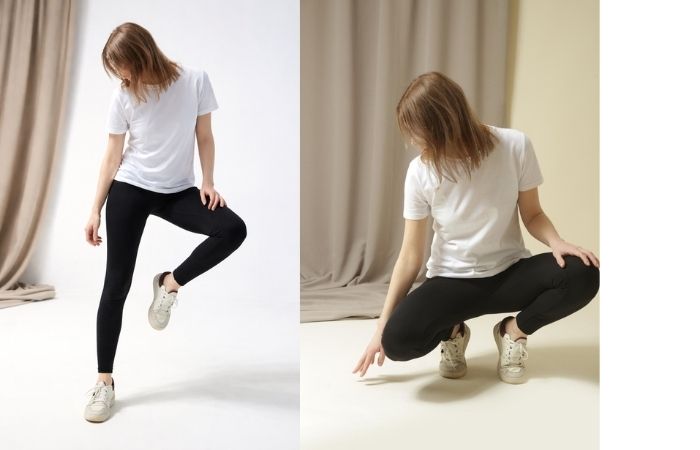
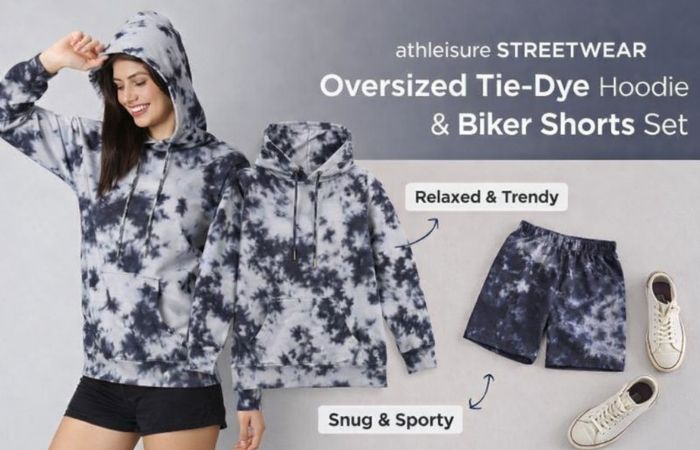
Oversized Hoodie & Biker Shorts Set
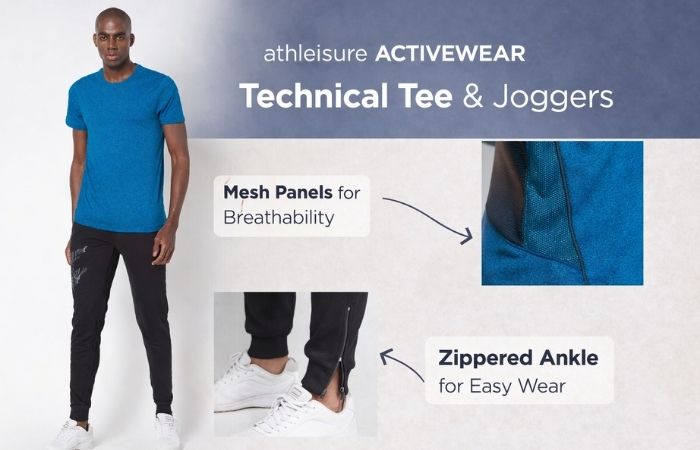
Technical Tee & Joggers
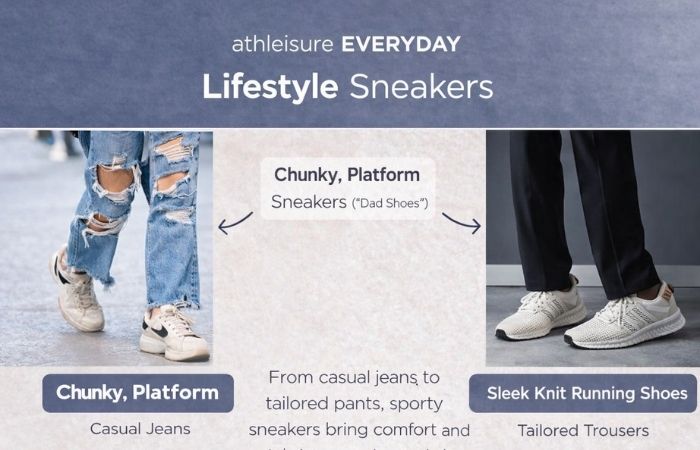
Lifestyle Sneakers
Where to Buy Athleisure Clothes
Athleisure is available across a spectrum from budget-friendly basics to high-end designer collaborations.
| Store/Brand | Price Range | Specialty |
|---|---|---|
| Lululemon | $$$ | Premium quality; known for “buttery soft” leggings and technical menswear. Excellent warranty/repair program. |
| Nike & Adidas | $$ – $$$ | The giants of the industry; best for footwear, Dri-FIT technology, and classic streetwear styles. |
| Outdoor Voices | $$ | Focuses on “Recreation” (light activity); known for colorful, comfortable basics and the “CloudKnit” fabric. |
| Old Navy / Target | $ | Best budget-friendly options; great for basic joggers, sports bras, and seasonal trends at affordable prices. |
| Alo Yoga | $$$ | High-fashion aesthetic; very popular for yoga-specific wear and celebrity-endorsed styles (focus on corsetry and sleek silhouettes). |
| Vuori | $$ – $$$ | Known for “dream knit” fabric that transitions seamlessly from gym to casual wear; emphasis on West Coast, relaxed style. |
Sales Figure of Athleisure Clothes 2022-2026

Graph Description:
The line graph shows a steady upward trend. Starting in 2022, the market value begins at approximately $350 Billion. The line rises gradually through 2023 and 2024, showing a steeper incline from 2025 onwards. By the end of 2026, the projected market value reaches approximately $520 Billion.
- 2022: $350 Billion (Post-pandemic peak as people return to hybrid work)
- 2023: $385 Billion (Steady growth due to “comfort dressing” persistence)
- 2024: $425 Billion (Expansion into luxury fashion collaborations)
- 2025: $475 Billion (Rapid growth due to emerging markets in Asia-Pacific)
- 2026: $520 Billion (Projected saturation in Western markets, but continued global expansion)
Key Takeaway: The athleisure market is expected to grow at a CAGR (Compound Annual Growth Rate) of roughly 8-10% during this period, driven by the normalization of remote work and increased health consciousness globally.
Conclusion
Athleisure has successfully blurred the lines between performance wear and everyday fashion. To protect your investment in this versatile wardrobe, proper washing techniques—specifically avoiding fabric softeners and heat drying—are essential. As the market continues to boom, reaching over half a trillion dollars by 2026, it is clear that consumers value the unique combination of comfort, functionality, and style that athleisure provides. Whether you are buying from budget retailers or high-end designers, understanding the fabric and care requirements will ensure your clothes last as long as the trend itself.
FAQs
1. Can I put my athleisure clothes in the dryer?
It is highly recommended that you do not use a dryer. High heat breaks down the spandex/elastane fibers (which provide stretch) and can shrink cotton blends. Air drying is the safest method to extend the life of your clothes.
2. Why do my gym clothes still smell bad after washing?
This is usually due to “biofilm” buildup—bacteria trapped by fabric softener or detergent residue. To fix this, wash the clothes with white distilled vinegar (to break down residue) or a sports detergent. If the smell persists, try stripping them in a sink with hot water and baking soda.
3. What is the difference between “sportswear” and “athleisure”?
Sportswear is technically designed for performance during specific sports (e.g., a cycling bib or heavy-duty running tights). Athleisure is designed to look like sportswear but is optimized for style and comfort in social or work settings (e.g., leggings that look like dress pants, or stylish track jackets).
4. Are jeans considered athleisure?
No. Jeans are generally denim, which lacks the stretch and technical fabric properties (moisture-wicking, breathability) typically associated with athleisure. However, some “tech” denim brands are creating hybrid fabrics that blur this line.
5. How often should I wash my athleisure?
After every wear, if you sweat in them. Bacteria from sweat can degrade the elastic fibers over time if left unwashed. If used for light, non-sweaty activities (like lounging), you may get 2-3 wears before washing.